
Menopause (Hormonal Imbalance)
Not Feeling Like Yourself Anymore?
During the transition to menopause, the ovaries gradually change their production of key reproductive hormones, particularly estrogen and progesterone. These hormonal fluctuations can affect many aspects of a woman's health and well-being.
Understanding Menopause, Hormonal Changes & Your Options
Understanding Menopause, Hormonal Changes & Your Options
Menopause is a natural stage of a woman's life, but that doesn't mean you have to simply accept uncomfortable symptoms as your "new normal."
In the United States, the average age of natural menopause is approximately 51, although menopause can occur earlier or later. The years leading up to menopause, known as perimenopause, can bring significant fluctuations in estrogen, progesterone, and other hormones. These changes may begin several years before a woman's final menstrual period.
Personalized Menopause & Hormone Care
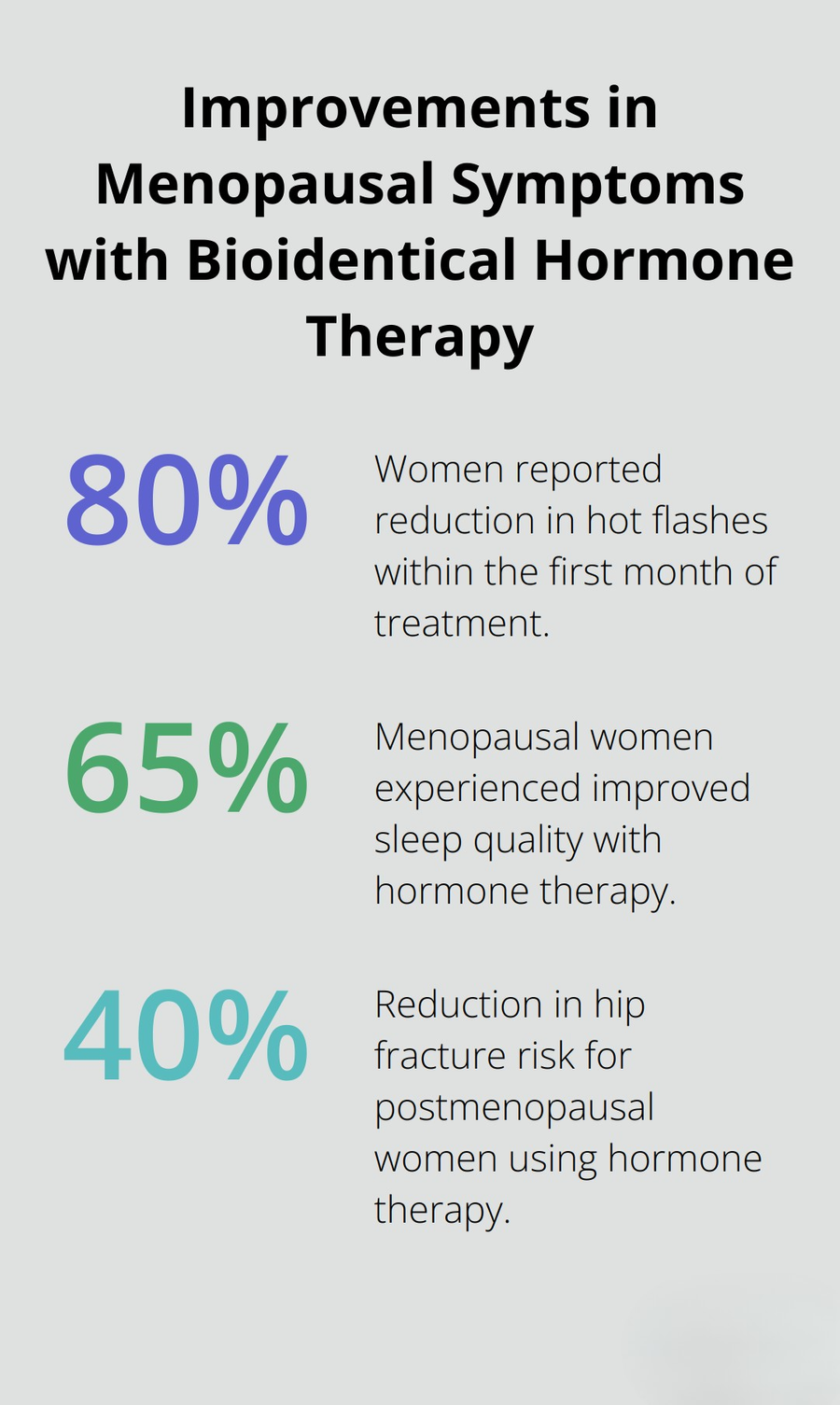
At TruGevity Health + Wellness, we take the time to understand what you're experiencing rather than assuming every woman needs the same treatment. Our providers evaluate your symptoms, health history, laboratory results, and individual goals when considering Bioidentical Hormone Replacement Therapy (BHRT) or other treatment options.
Whether you're navigating perimenopause, menopause, surgical menopause after a hysterectomy, or age-related hormonal changes, our goal is to help you understand your options and make informed decisions about your health.
Conveniently located in Plano, Texas, TruGevity Health + Wellness provides personalized women's hormone care for patients throughout Frisco, McKinney, Allen, Richardson, Carrollton, The Colony, Prosper, Lewisville, and surrounding North Texas communities.
You Don't Have to Navigate Menopause Alone
Menopause is a transition—not the end of feeling energetic, confident, healthy, and connected to the life you enjoy.
Learn more about your hormone therapy options and take the next step toward feeling like yourself again.
Book Your FREE Consult Today

What Symptoms Are You Dealing With?
Common symptoms of perimenopause and menopause can include:
- Hot flashes and night sweats
- Irregular or changing menstrual cycles
- Sleep disturbances
- Fatigue and low energy
- Mood changes and irritability
- Brain fog and difficulty concentrating
- Weight gain or changes in body composition
- Decreased libido
- Vaginal dryness or discomfort
- Changes in skin, hair, and muscle mass

What Happens to Your Hormones After a Hysterectomy?
You have the power to improve the quality of your life and longevity.
A hysterectomy is a surgical procedure to remove the uterus. Whether a woman experiences immediate menopause after a hysterectomy depends largely on whether her ovaries are removed.
If the ovaries are removed during surgery, a woman experiences surgical menopause, because the primary source of estrogen and progesterone production is removed. Hormonal changes can happen suddenly and may cause symptoms such as hot flashes, night sweats, sleep disruption, mood changes, vaginal dryness, and other menopausal symptoms.
If the ovaries are left intact, they generally continue producing hormones after the uterus is removed. A woman may not experience immediate menopause, although ovarian function can change over time and some women may reach natural menopause earlier than expected.
Because every woman's situation is different, hormone therapy following a hysterectomy should be individualized based on factors such as age, symptoms, whether the ovaries were removed, medical history, and personal health risks.
Take the first step toward your best self today!